This article was generated by artificial intelligence and reviewed by Le Pivot's editorial team. We believe in transparency.
Hormuz under pressure: ships seized, peace talks collapse, execution wave
By Le Pivot — Iran Monitor · April 22, 2026 · 10 min read
On day 54 of the Iran-US conflict, the situation in the Strait of Hormuz has once again escalated. Just hours after Donald Trump extended the ceasefire at Pakistan’s request, Iran’s Revolutionary Guards seized two merchant vessels in the strait — a move Tehran frames as a direct response to Washington’s naval blockade of Iranian ports. Meanwhile, peace negotiations have officially collapsed, and domestic repression is intensifying.
Seizures in the Strait of Hormuz
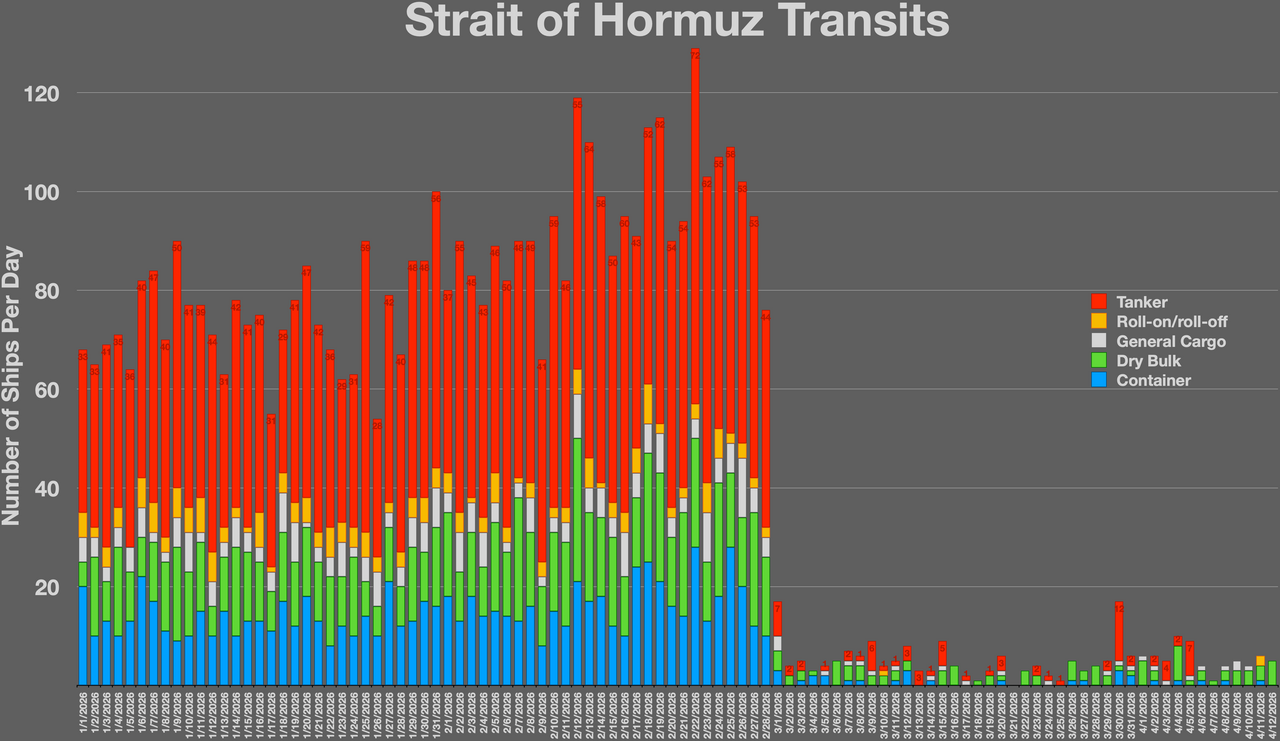
On April 22, the Islamic Revolutionary Guard Corps (IRGC) Navy seized two container ships transiting the Strait of Hormuz, citing “maritime violations.” The vessels were towed to Iranian shores. In the same day, three attacks targeted ships in this strategic waterway.
These incidents unfolded in a paradoxical context: Iran had announced the full reopening of the Strait only days earlier, then blocked it again the following day. The stated reason: the continued US naval blockade of Iranian ports, which Tehran considers a ceasefire violation.
The Strait of Hormuz — through which roughly 20% of global oil supply flows — remains Iran’s primary leverage in this conflict. Experts estimate that clearing the waterway of mines could take up to six months.
Negotiations: Tehran walks out
Iran’s decision not to participate in a second round of talks in Islamabad was described as “definitive” by its own negotiating team, according to Tasnim state news agency, which reported that Iran’s negotiators saw “no prospect of participating in the negotiations.”
This diplomatic rupture came just hours before Trump announced a new ceasefire extension — which he said he granted at Pakistan’s request, to give Tehran time to submit “a unified proposal.” The president also said there was “no timeline” for resolving the conflict.
The core sticking point remains the naval blockade. Iranian officials insist it constitutes a clear ceasefire violation; Washington refuses to lift it without a comprehensive deal. This deadlock paralyzes all diplomatic progress.
Wave of political executions
On the domestic front, the regime is intensifying repression. On April 20, Hamed Validi (a 45-year-old civil engineer) and Mohammad (Nima) Masoum Shahi (a 38-year-old technician) were executed at Karaj Central Prison. Both were members of the People’s Mojahedin Organization of Iran (PMOI/MEK). On April 23, a third PMOI member, Soltanali Shirzadi Fakhr, was hanged.
These executions are part of an unprecedented wave: between March 19 and April 6, 2026, 13 political prisoners were executed — roughly one every two days. By comparison, all of 2025 saw 17 political executions.
The regime officially justifies these sentences on charges of moharebeh (“enmity against God”) and “cooperation with hostile groups” — labels systematically applied to political opponents.
International mobilization
In response, supporters of the Iranian Resistance organized rallies across European capitals: Brussels (outside the European Parliament), Stockholm, Berlin, Copenhagen, Rome, and Cologne. Demonstrators called for international condemnation of the executions and concrete action against the Islamic regime.
Economy: heading toward collapse?
Available economic data paints an alarming picture. The IMF projects a 6.1% contraction of Iran’s GDP in 2026. Food inflation reached 105% in February, with bread and cereals up 140% and cooking oils up 219% year-on-year. The rial continues its freefall.
Iranian economic officials recently warned President Masoud Pezeshkian that it could take “more than a decade” to rebuild the economy. The port blockade, combined with pre-existing sanctions, has severely disrupted oil exports — the country’s primary source of foreign currency.
The question of the regime’s economic sustainability — already weakened by the popular uprisings of late 2025 — is now pressing.
Key takeaways
April 23, 2026 illustrates the logic of controlled escalation Iran has adopted: extend the ceasefire without negotiating, maintain pressure on the Strait while avoiding formal rupture, and suppress domestic opposition to stabilize the regime in the short term. This “neither full war nor capitulation” strategy buys time, but economic collapse and growing international mobilization may ultimately narrow Tehran’s room for manoeuvre.
Sources
- Iran seizes ships after Trump extends ceasefire — NBC News
- Iran says it seized 2 ships in Strait of Hormuz — Washington Post
- Iran’s ceasefire toward brink — CNBC
- Iran news in brief — NCRI
- Iran executes PMOI members Hamed Validi and Nima Shahi — NCRI
- Iran economy in charts: hyperinflation and depreciating rial — CNBC
- Live: US-Iran talks stalled — Al Jazeera
- Iran war, day 54 — CNN