This article was generated by artificial intelligence and reviewed by Le Pivot's editorial team. We believe in transparency.
War on Iran, Day 9: Tehran Under Fire as Khamenei's Successor Chosen in Secret
By Le Pivot — Iran Monitor · March 7, 2026 · 10 min read
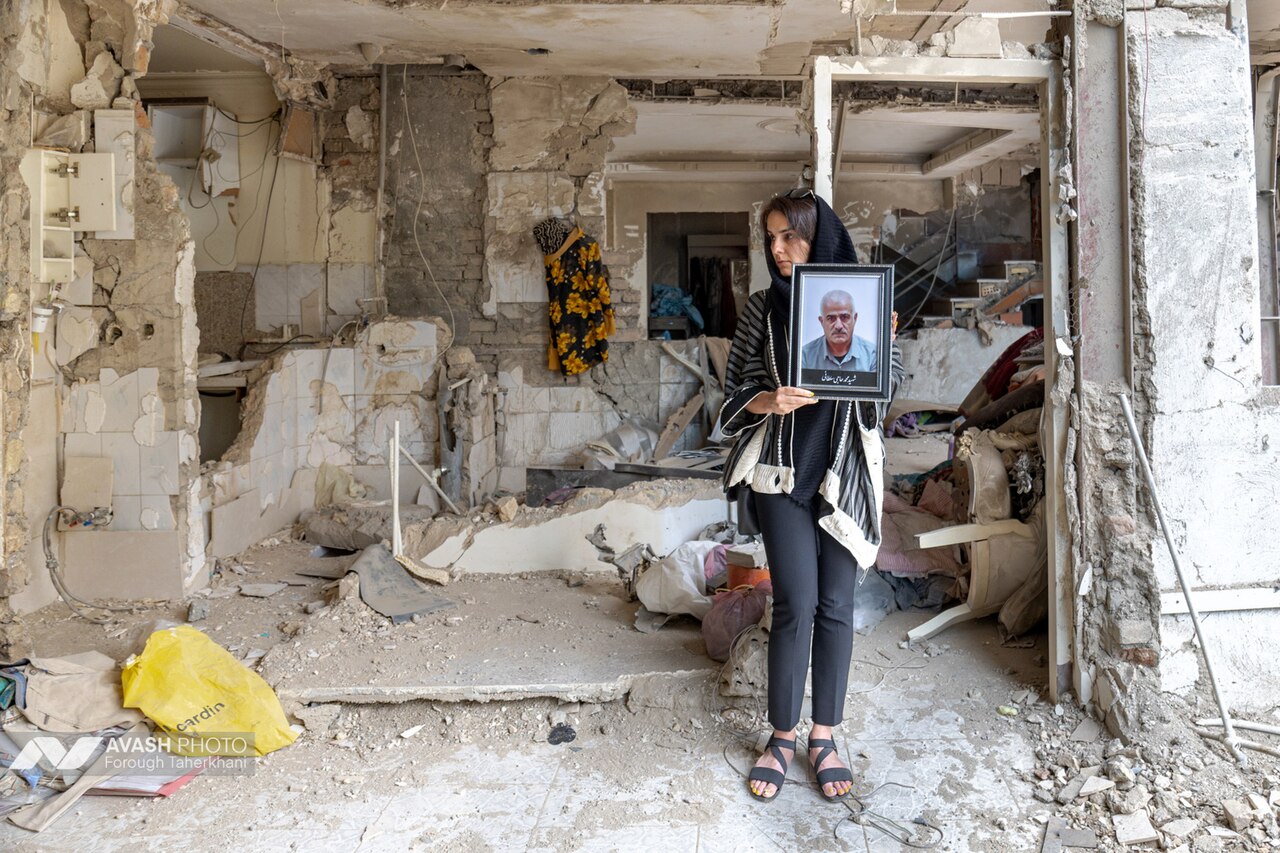
March 8, 2026 marks the ninth day of what is now called the war on Iran. Since the first US-Israeli strikes on February 28, the country has been engulfed in a conflict of an intensity unseen since the Iran-Iraq war of the 1980s. The assassination of Supreme Leader Ali Khamenei during the opening salvo decapitated the regime, while strikes continue to target the country’s military, nuclear, and now energy infrastructure. The death toll exceeds 1,300 Iranians, global oil markets are in crisis, and the entire region teeters on the edge.
Israeli Strikes Hit Tehran’s Oil Depots: A Major Escalation
For the first time since the conflict began, Israel has struck oil storage depots and refining facilities directly in Tehran. The Iranian capital is blanketed in thick black smoke, visible on satellite imagery. This escalation marks a turning point: until now, strikes had primarily targeted military and nuclear sites. By hitting civilian energy infrastructure, the US-Israeli coalition appears to be seeking to strangle the Iranian economy.
US Central Command (CENTCOM) reports having struck more than 3,000 targets inside Iran over nine days. The scale of this air campaign surpasses that of the “Shock and Awe” operation against Iraq in 2003, both in the number of sorties flown and the diversity of targets hit.
Khamenei’s Successor Chosen in Secret
The Assembly of Experts, the 88-member clerical body charged with selecting the Supreme Leader, announced on March 8 that it has reached majority consensus on Ali Khamenei’s successor. However, the identity of the new leader has not been made public — an unprecedented decision reflecting the exceptional conditions of the ongoing conflict.
Since March 1, an Interim Leadership Council comprising President Masoud Pezeshkian, Chief Justice Gholam-Hossein Mohseni-Eje’i, and Ayatollah Alireza Arafi has been assuming the Supreme Leader’s duties. Among the rumoured candidates, Mojtaba Khamenei, the late leader’s son, appears to be the frontrunner according to multiple sources close to the Assembly. His appointment would represent an unprecedented form of dynastic succession in the history of the Islamic Republic.
The Strait of Hormuz at the Heart of the Economic Storm
The economic dimension of this conflict is as devastating as its military one. A Revolutionary Guards commander declared the Strait of Hormuz “closed,” threatening to set ablaze any vessel attempting to transit. Approximately 150 ships are stranded near the passage, through which roughly 20 percent of the world’s oil supply flows.
The market consequences have been immediate: Brent crude surged 27 percent in a single week — the largest weekly gain since the COVID-19 pandemic — reaching $83 per barrel. Goldman Sachs analysts do not rule out a return to the $100 threshold if disruptions persist, which would add an estimated 0.8 percentage points to global inflation. President Trump has attempted to calm markets by promising that the United States would insure tankers transiting the strait, but at least five tankers have already been damaged and two crew members killed.
Iran Retaliates Across the Gulf
Despite President Pezeshkian’s promise on Saturday to cease strikes on neighbouring countries provided no attacks are launched from their territory, Iran has continued retaliatory fire against US and Israeli targets in Kuwait, Qatar, Saudi Arabia, and the United Arab Emirates. Since February 28, Tehran claims to have fired more than 500 ballistic and naval missiles and nearly 2,000 drones, split roughly 40 percent against Israel and 60 percent against US installations.
The regional toll continues to mount: at least 11 killed in Israel, 6 US soldiers, and 11 civilians across Gulf states. In Beirut, a strike hit a hotel building in the city centre, killing four. Saudi Arabia reported two additional deaths on March 8.
The Nuclear Programme: Struck but Not Neutralised
US-Israeli strikes targeted several key nuclear sites, including a covert nuclear weapons development site known as Minzadehei, enrichment facility entrances at Natanz, nuclear complex structures at Isfahan, and an apparent laboratory in the Lavisan 2/Mojdeh complex. However, experts from the Arms Control Association underscore the limits of military force: Iran retains 440 kilograms of uranium enriched to 60 percent purity — sufficient for as many as ten nuclear weapons if further enriched — stored in a tunnel complex at Isfahan that remains structurally intact.
Iran’s scientific and technical expertise, accumulated over decades, cannot be destroyed by bombing. As one analyst at War on the Rocks put it: “Twice bombed, still nuclear.”
Civil Society and the Diaspora
Inside Iran, the protest movement that began on December 28, 2025 — initially driven by economic grievances before expanding into broader political demands — has been overshadowed by the conflict. The regime had already responded with a massive crackdown, with civilian casualty estimates ranging from 3,117 (the official figure) to upwards of 36,500 according to some human rights organisations.
In Washington, March 8 coincides with International Women’s Day: thousands of Iranian diaspora members rallied near the US Capitol, carrying flags and calling for democracy in Iran. The diaspora movement, documented on the Iran Monitor platform, reflects an unprecedented mobilisation of Iranian communities worldwide.
Key Takeaways
- Day nine of the war: US-Israeli strikes now target Tehran’s oil infrastructure, marking a significant escalation in coalition strategy.
- Supreme Leader succession: the Assembly of Experts has chosen Khamenei’s successor, but their identity remains secret. Mojtaba Khamenei is believed to be the frontrunner.
- Global energy crisis: the Strait of Hormuz is effectively blocked, Brent crude has surged 27 percent, and could reach $100 per barrel.
- Iranian retaliation: more than 500 missiles and 2,000 drones fired in nine days, targeting Israel and US bases across the Gulf.
- Nuclear persistence: despite strikes on nuclear sites, enriched uranium stockpiles and Iranian expertise remain intact.
- Trump demands “unconditional surrender”, refusing any negotiations until Iran’s leaders “cry uncle.”
This article draws on data collected via the Iran Monitor platform, international news agencies, and analyses from specialised organisations. Figures and casualty counts are subject to rapid change.